


 Tech
Tech
Kuruva Island (Kuruvadweep), Wayanad: Complete Visitor Guide
A practical guide to Kuruva Island in Wayanad, Kerala, covering the river delta landscape, best season, opening hours, entry and parking charges, and visitor rules.
29 August 20265 min read
Kuruvadweep: A Protected River Delta in Wayanad
Kuruva Island, known locally as Kuruvadweep, is not a single landmass but a cluster of small islands formed where the Kabini River splits into several channels in the eastern part of Wayanad district, Kerala. The delta covers roughly 950 acres and sits close to the Karnataka border. No one lives on it. That absence of settlement is the reason the vegetation and bird life inside have stayed largely undisturbed while the surrounding district turned into plantation country.
The site is managed as an eco tourism destination, which shapes everything a visitor experiences there. Access is metered, daily numbers are capped, plastic is filtered out at the gate, and movement inside is guided rather than open. The result is a place that feels considerably quieter than most Wayanad attractions of similar fame, and one where a half day is enough to see the main circuit without rushing.
Kuruvadweep is a forest reserve rather than a park. Opening status can change at short notice when river levels rise, so confirming with the Wayanad tourism office or the ticket counter on the day of travel is worth the phone call.
The Landscape and What Grows There
Terrain and vegetation
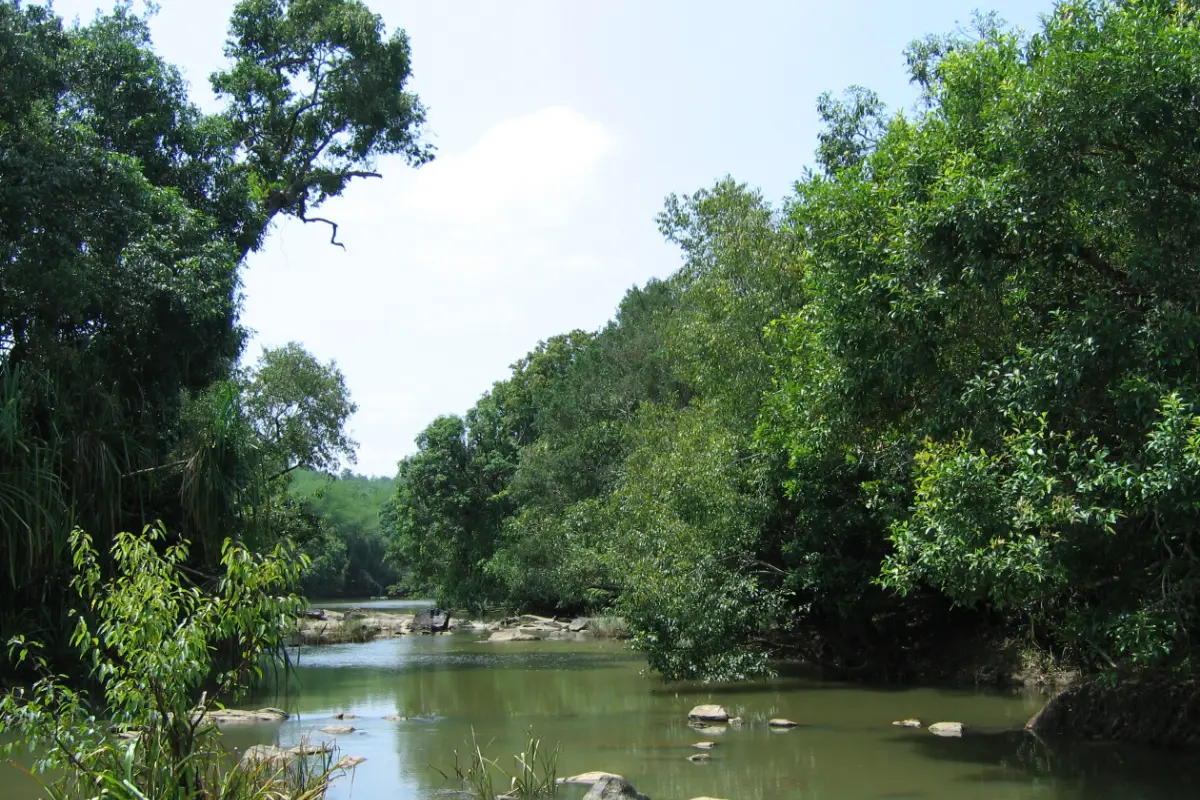
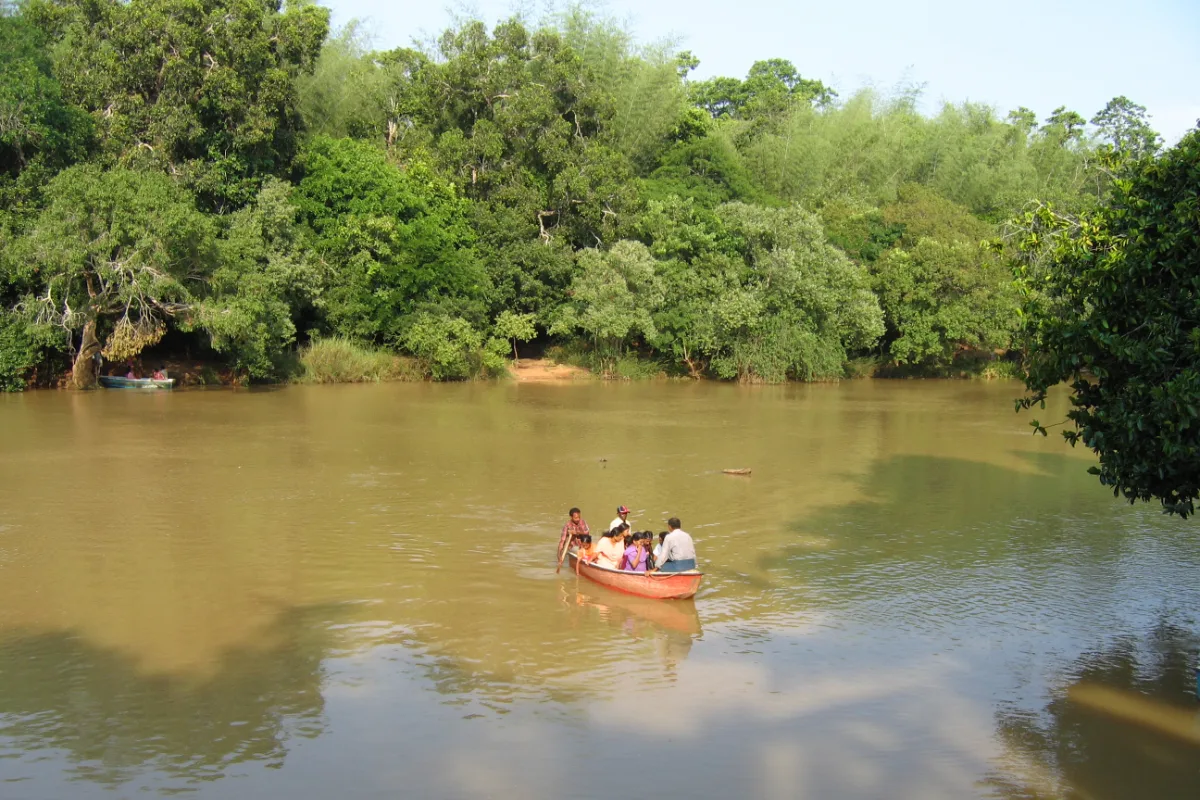
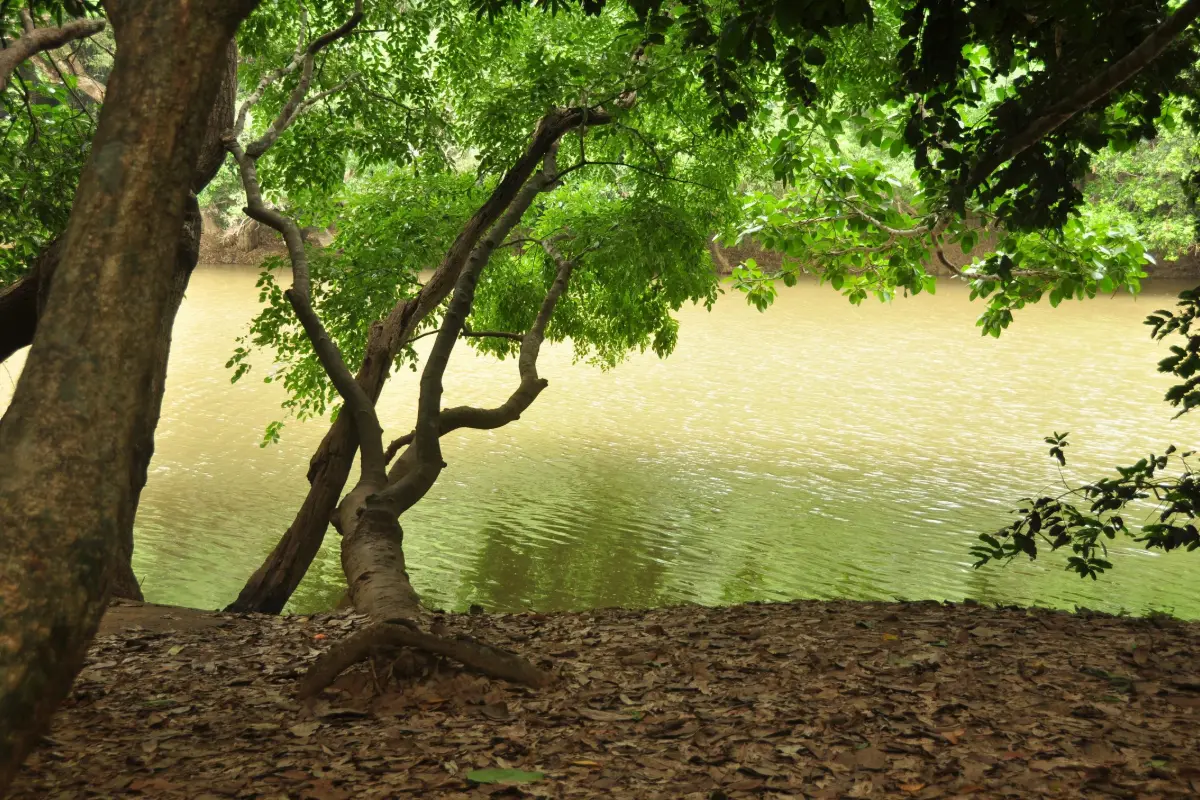
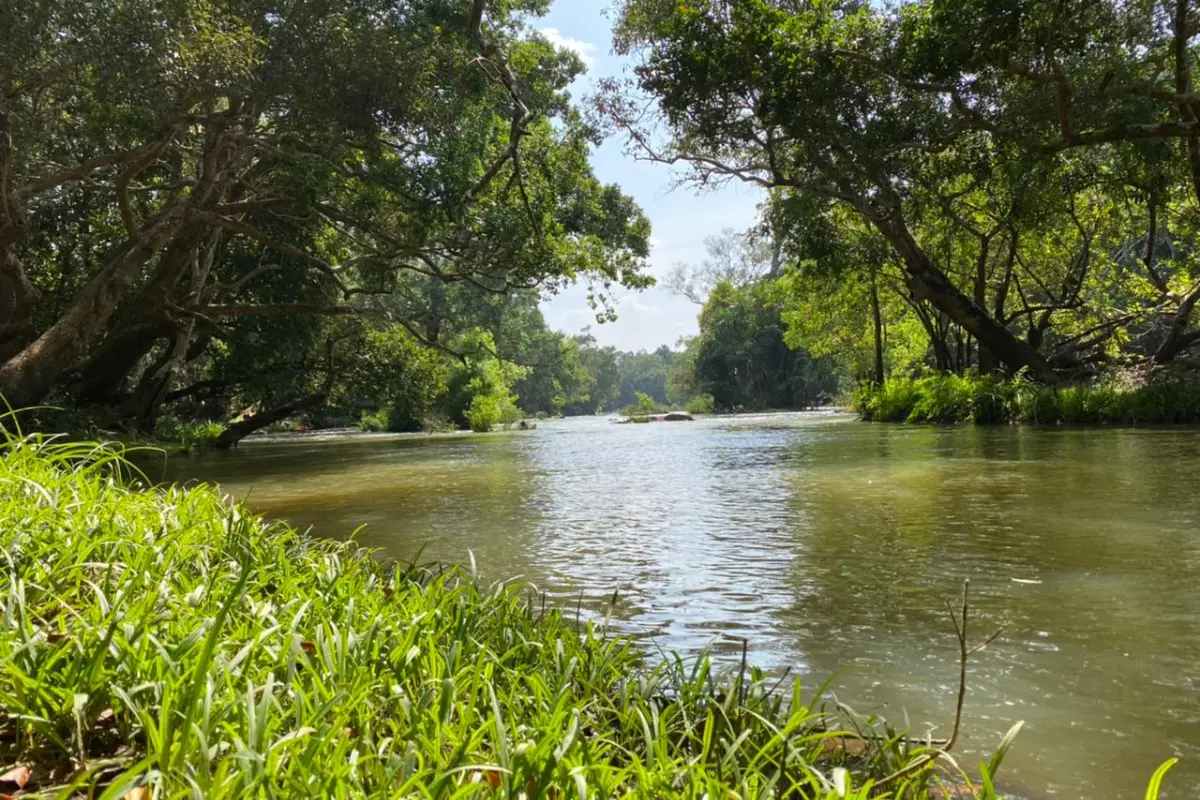
Crossing to the island is done on a raft or ferry operated by the forest department, and the change in character is immediate. Tall evergreen trees lean out over the water, their roots exposed by seasonal current, and shaded paths run between them. Two freshwater ponds sit within the interior, and bamboo footbridges connect several of the smaller islets along the walking route.
Plant life to look for
Evergreen and semi evergreen trees typical of a riverine delta
Wild orchids growing on trunks and branches
Herbal and medicinal plants used in traditional Kerala practice
Bamboo thickets, which also supply the rafts used for river crossings
Two freshwater ponds within the island interior
Birds and other wildlife
Bird activity is the other draw. Because the delta has no permanent human presence, resident and migratory species use it heavily, and early hours produce the most sightings. Binoculars are more useful here than a long camera lens, since much of the canopy sits well above the walking path. Butterflies are abundant along the sunnier stretches near the water.
Choosing the Right Season
Season selection is not a matter of comfort alone at Kuruvadweep. The island physically closes for part of the year, so the calendar decides whether a trip is possible at all.
| Period | Conditions | Access |
|---|---|---|
| October to March | Cool and dry, comfortable walking weather, strong bird activity | Open, the recommended window |
| April to May | Warmer days, lower river levels, thinner crowds on weekdays | Usually open |
| June to September | Southwest monsoon, heavy rain, high and fast river flow | Closed to visitors |
Even outside the monsoon, a spell of unseasonal rain upstream can raise the Kabini enough for the forest department to suspend crossings for a day or more. Travel plans built around a single fixed date carry that risk.
Weekdays over weekends
Weekdays are noticeably calmer than weekends and Kerala school holidays. Since entry is capped, a weekend arrival after mid morning can mean tickets have already run out for the day.
Activities Available Inside the Reserve
Everything on the island happens on foot or on water, and all of it stays within the boundaries the guides set. The circuit below is what most day visitors complete.
Guided walk through the interior, following the marked path and bamboo bridges
Ferry or raft crossing over the Kabini channel to reach the island
Bamboo rafting on the calmer stretches, charged separately and shared between several passengers
Bird watching, best attempted soon after the gates open
Photography along the water, where the leaning trees and bridges give the strongest frames
Wading in permitted shallow sections of the river under guide supervision
Food on the mainland side
There are no shops or stalls on the island itself. Small eateries near the boarding point on the mainland serve local meals, and freshwater fish from the Kabini is the dish the area is known for. Eating before crossing over is the sensible plan, since a walk of two to three hours inside with no refreshment point is normal.
Swimming is prohibited. The Kabini has deep channels and shifting current between the islets, and entry into the water is permitted only where a guide indicates.
Timings, Tickets and Parking Charges
- Gates open at 9:00 AM
- Last entry and closing at 3:30 PM
- Arrive before opening on weekends and holidays to secure a ticket
The island operates on a fixed daily window and a capped headcount. The counter stops issuing tickets once the day quota is reached, which on busy dates can happen well before the closing hour.
Entry and activity charges
| Category | Charge |
|---|---|
| Indian adult | Rs 80 |
| Indian child | Rs 55 |
| Foreign national | Rs 150 |
| Still camera permit | Rs 50 |
| Bamboo rafting, up to 6 persons | Rs 300 |
Parking charges
| Vehicle | Charge |
|---|---|
| Two wheeler | Rs 10 |
| Auto rickshaw | Rs 30 |
| Car or jeep | Rs 50 |
| Bus or mini bus | Rs 80 |
Rates are revised from time to time by the managing authority and should be treated as indicative. Carrying cash is advisable, since digital payment at the counter is not always dependable.
Rules Visitors Are Expected to Follow
Eco tourism rules at Kuruvadweep are enforced rather than advisory, and a few of them catch first time visitors off guard at the gate.
Plastic bottles, wrappers and similar single use items are not permitted past the entry point
Camera use requires the paid permit purchased at the counter
Life jackets are mandatory for every ferry, boat and raft crossing
Guide instructions about paths and water access are binding, not suggestions
Waste generated inside must be carried back out
Trips should be dropped when rain is forecast, since the island shuts once the river rises
What to carry
CashWater in a reusable bottleGrip footwearInsect repellentBinocularsSun protection
Footwear matters more than most guides mention. Paths turn slick near the water and the bamboo bridges have gaps, so sandals with a loose fit make the walk harder than it needs to be.
Image Gallery
Summary
Kuruvadweep is an uninhabited 950 acre delta on the Kabini River in Wayanad, managed as an eco tourism site
Open daily from 9:00 AM to 3:30 PM, with a capped number of visitors each day
Closed through the southwest monsoon, roughly June to September
October to March offers the best conditions for walking and bird watching
Rafting, guided walks, photography and bird watching are the main activities, with no facilities on the island itself
A half day covers the island comfortably, which makes it easy to pair with another stop in the same part of the district. The value of the place lies in how little has been built on it, and the restrictions that visitors sometimes find strict at the gate are the reason it has stayed that way.
Nearby Attractions
Frequently Asked Questions
What is Kuruva Island in Wayanad?
Kuruva Island, or Kuruvadweep, is an uninhabited cluster of islands spread over about 950 acres in the Kabini River in Wayanad, Kerala. It is managed as a protected eco tourism site and is known for its riverine forest, orchids, medicinal plants and bird life.
What are the Kuruva Island timings and entry fee?
The island is open daily from 9:00 AM to 3:30 PM. Entry is around Rs 80 for Indian adults, Rs 55 for children and Rs 150 for foreign nationals, with a separate camera permit and rafting charge. Rates change periodically, so confirm at the counter.
Is Kuruva Island open during the monsoon?
No. Access is suspended through the southwest monsoon, roughly June to September, because the Kabini River runs high and crossings become unsafe. The site can also close temporarily after heavy unseasonal rain.
What is the best time to visit Kuruva Island?
October to March offers the most comfortable weather and the strongest bird activity. Weekdays are preferable to weekends, since daily visitor numbers are capped and tickets can run out early.
What activities are allowed on Kuruva Island?
Guided walks across bamboo bridges, ferry and bamboo raft rides on the Kabini, bird watching and photography with a paid permit. Swimming is prohibited, and wading is allowed only in shallow sections a guide points out.
Are there shops or restaurants on Kuruva Island?
No shops or eateries operate on the island. Small restaurants near the mainland boarding point serve local meals and Kabini river fish, so eating before crossing over is advisable.
Reviews
No reviews yet!
Recent Stories
Tech Travel
En Ooru, Wayanad: Ticket Price, Timings and Booking Guide
30 September 2026 Tech
TechGPT-6 Astra: Overview, Features, Pricing and Competitor Comparison
25 September 2026 Travel
Pookode Lake, Wayanad: Timings, Entry Fee, Boating and Visitor Guide
29 August 2026 Travel
Banasura Sagar Dam, Wayanad: A Complete Travel Guide
29 August 2026 Travel